Tree Removal Metairie: Eco-Friendly Disposal and Recycling Options

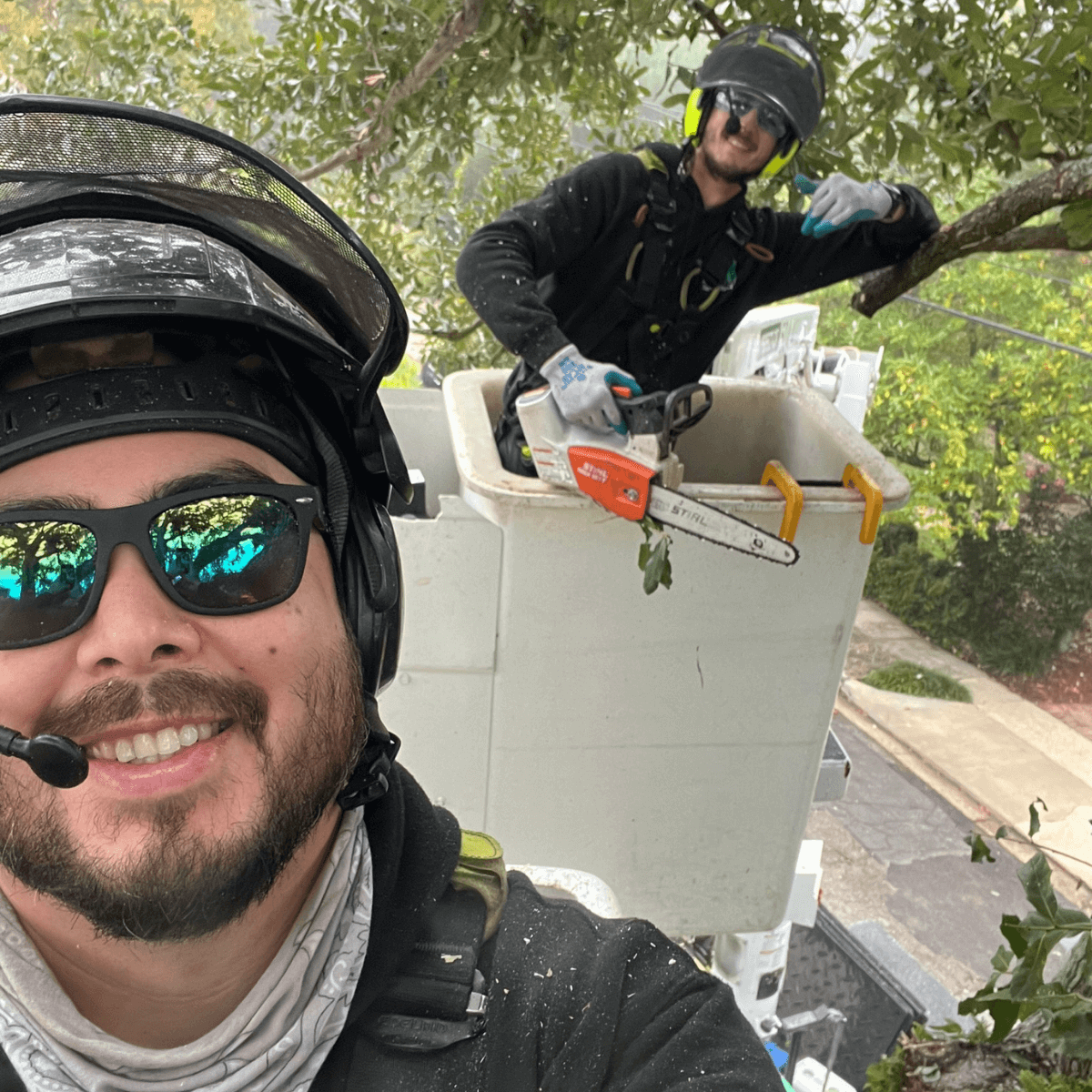
Anyone who has spent time tree removal metairie around older neighborhoods in Metairie knows trees are part of the appeal. Live oaks shade front lawns, crepe myrtles frame driveways, and mature pines soften the edges of busy streets. They also create a very practical problem when they decline, split in a storm, crowd a roofline, or outgrow the space they were planted in decades ago. Once a tree has to come down, the conversation should not stop at felling it and hauling it away. The more important question is what happens next.
That question matters more in southeast Louisiana than many homeowners realize. Tree debris accumulates fast after a thunderstorm, a hurricane watch, or a long wet season that weakens roots and trunks. Sending every limb, trunk section, and stump fragment straight to a landfill is expensive, wasteful, and unnecessary in many cases. Better disposal options exist, and the best tree crews know how to separate materials, redirect usable wood, and reduce the environmental burden without creating more hassle for the property owner.
For homeowners searching for tree removal Metairie services, eco-friendly disposal is not a fringe preference. It is often the sign of a contractor who plans carefully, owns the right equipment, and understands local conditions. A company that can explain where the wood goes, what gets chipped, what can be milled, and what cannot be salvaged is usually better organized on every other part of the job too.
What eco-friendly removal actually means on a real job
There is a tendency to treat “green disposal” like a marketing phrase, but in tree work it has a practical meaning. It usually starts with sorting. Clean wood can often be chipped for mulch, larger trunk sections can sometimes be milled or reused, and leafy material can go into composting streams if the volume and condition make sense. Stumps and root balls are a different category because they often contain soil, rocks, and contaminants that limit reuse. Diseased wood can also require special handling.
On a routine removal in Metairie, the tree crew may dismantle the canopy in sections, lower larger limbs by rope to avoid damage, and feed brush directly into a chipper parked at the curb. The chips can stay on site if the owner wants them for beds or paths, or they can be hauled to a facility that accepts green waste. The trunk may be cut into rounds. Sometimes those rounds become firewood, though that depends on species, moisture content, and whether the wood is free of rot or pest infestation. In some cases, especially with larger hardwoods, there is enough sound lumber value to justify milling the main stem into slabs or boards.
That is the ideal path, but good judgment matters. Not every removed tree should be “saved” in the same way. A storm-split water oak with interior decay does not have the same recycling potential as a healthy pecan removed for construction access. A magnolia that grew too close to a slab foundation may produce attractive wood for small projects, but its branch architecture can make milling less practical than chipping. Eco-friendly removal is less about forcing one outcome and more about matching the material to the best realistic use.
Why Metairie homeowners face different disposal choices than some other markets
Metairie has a few local realities that shape tree disposal. First, storms change everything. In a calm month, a contractor may have the time to separate material carefully and coordinate recycling. After a major weather event, municipalities and private haulers get overwhelmed. The priority shifts toward public safety and clearing access. Under those conditions, even excellent crews may have fewer reuse options simply because processing channels are backed up.
Second, the urban-suburban layout affects access. In many parts of Metairie, crews work in tight side yards, near overhead utilities, fences, sheds, and neighboring homes. When a crane cannot access the backyard and there is no clean drop zone, removals become labor-intensive. That affects disposal because the crew may need to reduce every piece into smaller sections before it reaches the street. Material handling costs go up, and not every reusable option remains economical.
Third, the tree mix matters. Common local species such as live oak, water oak, pine, Bradford pear, crepe myrtle, and magnolia all break down differently in a recycling system. Live oak is dense and prized when sound. Pine chips readily but can be resinous and messy. Bradford pear often has weak structure and unpredictable splitting. Crepe myrtle is usually better suited to chipping or small craft use than to large-scale lumber recovery.
These details explain why pricing and disposal plans vary so much from one address to another. If a tree removal Metairie contractor gives a flat promise without asking about species, size, location, access, and condition, that is a warning sign.
The most common environmentally responsible disposal routes
Most removed trees do not follow one simple path. A single job can produce mulch, compost feedstock, reusable logs, and a small amount of true waste. The greener the job, the smaller that waste fraction becomes.
Wood chipping is the most common option because it is efficient and versatile. Fresh chips can be spread under shrubs, along fence lines, around non-delicate trees, or on informal walking paths. They suppress weeds, moderate soil temperature, and reduce erosion. They are not a miracle product, and they should not be piled against trunks or mounded over root flares, but in the right place they are useful. If you have ever watched a crew remove a medium-size backyard tree, you know how quickly a huge brush pile can turn into a manageable chip load. That volume reduction alone keeps material out of strained disposal systems.
Composting is a close cousin to chipping, although not all tree debris is suitable for direct composting. Leaves and smaller green material break down more readily than thick hardwood sections. Compost processors often prefer cleaner loads with less dirt and fewer mixed contaminants. A crew that rakes debris into soil or mixes it with demolition waste has already made recycling harder.
Milling and salvage are the most appealing options when the wood is high quality. I have seen beautiful slabs cut from urban hardwoods that otherwise would have been dumped. Homeowners are often surprised to learn that a mature tree in their yard may have value beyond firewood, especially if it is a large oak or another dense hardwood with a straight trunk and minimal decay. The catch is logistics. Milling requires equipment, storage, drying time, and a buyer or end use. It is not practical for every removal, but when it works, it is one of the best forms of material recovery.
Firewood sits somewhere in the middle. It is reuse, but it is not always the most efficient or sanitary option. Some woods burn well after proper seasoning. Others are too wet, too stringy, or too pest-prone to be worth stacking. In southern Louisiana’s humid climate, homeowners who say they want to “keep the wood” often underestimate how much space a removed tree actually occupies once bucked into rounds.
When recycling is limited by disease, insects, or contamination
The greenest disposal plan is not always the safest one. That is a hard point to communicate because people naturally want to save materials when possible. But diseased trees can spread problems if mishandled, and some infestations make transport and storage risky.
A tree with advanced fungal decay may not produce stable mulch for landscape use, especially if the chips will be placed near other vulnerable plants. Infested wood can also create issues if moved long distances or stored improperly. The exact risk depends on the pest and host species, which is why reputable arborists are careful about broad claims. They inspect the tree, consider what is visible in the bark and cambium, and decide whether the material should be processed, isolated, or disposed of more conservatively.
Soil contamination is another overlooked factor. Stump grinding spoils are often mixed with dirt, gravel, and fragments of old landscape fabric. That material is rarely ideal mulch. It can be spread in rough low areas if the composition is clean enough, but it should not be confused with the cleaner chips produced directly from limbs and brush. Homeowners sometimes expect all byproducts of removal to be equally reusable, and that is rarely the case.
This is where experienced judgment matters more than slogans. Sustainable tree work is not about claiming every ounce of biomass gets repurposed. It is about reducing waste responsibly while protecting nearby trees, landscapes, and properties.
The hidden value of keeping some materials on site
One of the simplest eco-friendly choices is also the least glamorous: use part of the tree where it grew. If you have the space, leaving a load of chips behind can save hauling fuel, reduce tipping fees, and return organic material to the landscape. For larger properties, this is often the most practical option.
Fresh chips are especially useful in nonformal areas. Around the back edge of a lot, under mature trees, or in utility zones where appearance matters less, they perform well. They can also help muddy side yards recover after heavy equipment traffic. I have seen homeowners regret declining chips, only to buy bagged mulch weeks later at a much higher price for a far lower volume.
Larger rounds can serve a tree removal metairie purpose too, though this depends on your patience and your storage space. Some people use them as edging in naturalized areas or cut them down into stepping sections. Others season them for fire pits or outdoor cooking, assuming the species is suitable. None of that is mandatory, and not every property should become a wood yard, but it is often possible to keep a meaningful portion of the tree in productive use without complicating the job.
Questions worth asking before you hire a tree removal company
If eco-friendly disposal matters to you, ask about it before the saw starts. Once the crew is on site and the truck is loaded, your options narrow quickly. Good contractors usually appreciate direct questions because they know disposal affects labor, truck space, scheduling, and final cost.
Here are a few questions that tend to separate thoughtful operators from generic haul-away services:
- What portion of the tree can realistically be chipped, recycled, milled, or reused?
- Will clean wood and brush be separated from dirt, fencing, or other debris?
- Can chips or wood rounds be left on site if I want them?
- Are there any disease or pest concerns that change the disposal plan?
- Is stump grinding included, and if so, what happens to the grindings?
Those questions do two things. They tell you what outcome to expect, and they force the contractor to think through the job instead of defaulting to the fastest dump route. If the answers are vague, contradictory, or oddly defensive, keep looking.
Cost trade-offs, because greener is not always cheaper
Homeowners often assume recycling lowers the bill. Sometimes it does. If a contractor can chip material efficiently, avoid heavy landfill fees, and leave chips on site, the job may cost less than a full haul-off. But that is not guaranteed. Salvage sorting, special handling, and milling coordination can add labor. So can protecting reusable sections from splitting or contamination during removal.
There is also a scale issue. On a small ornamental tree, the difference between standard disposal and eco-focused handling may be minimal. On a massive oak overhanging a roof, labor dominates the job and disposal becomes only one slice of the price. This is why blanket statements about cost are rarely useful.
What does help is transparency. Ask for the disposal method to be described in the estimate. If two bids are close in price but one includes meaningful material recovery and one does not, that is valuable information. If one bid is dramatically lower, check whether it omits hauling, stump work, traffic control, or cleanup standards. Cheap tree work can become expensive very quickly if the yard is left rutted, the curb is piled with debris, or the city cites the property for improper placement.
Storm cleanup needs a different mindset
After strong winds or tropical weather, disposal decisions get compressed. Safety comes first. Limbs on roofs, hung-up branches, cracked stems over driveways, and uprooted trees near utilities need immediate attention. In those moments, homeowners should not expect a perfect recycling plan. The priority is to stabilize the site and prevent more damage.
That said, even emergency work can be handled responsibly. Crews can still chip clean brush rather than mixing it with construction debris. They can still separate larger sound logs if access allows. They can still avoid contaminating recyclable material with trash. The key is to be realistic. In a broad regional cleanup, hauling networks are strained and turnaround times slow down. Temporary staging may be necessary before final processing.
One thing I have seen repeatedly after storms is well-intentioned homeowners making disposal harder by dragging everything into one giant pile with fencing wire, flower pots, landscape lights, and household trash mixed in. That contamination makes chipping hazardous and limits recycling. If you are doing any of the initial cleanup yourself, keep green waste as clean as possible.
Stump removal and what happens after the tree is gone
Eco-friendly tree removal does not end at the trunk. Stumps create their own disposal challenge. Full stump extraction removes the root crown and often a surprising amount of soil. It is disruptive, heavy, and usually reserved for construction, drainage work, or situations where grinding is not enough. Grinding is more common because it is faster and less invasive.
But ground stump material is not premium mulch. It often contains a lot of fibrous wood mixed with dirt. If left in the hole, it will settle over time as it decomposes. If you plan to replant immediately in the same spot, you need to account for that. In most cases, the better approach is to grind the stump, remove excess grindings if necessary, and bring in clean soil before replanting nearby rather than directly into the stump zone.
For homeowners focused on sustainability, the practical choice is often to reduce unnecessary disturbance. If the stump is not in the way and can be ground below grade with minimal excavation, that usually creates the smallest disposal footprint. Full extraction has its place, but it should be chosen for a reason, not just because it sounds more complete.
Replanting is part of the environmental picture
A responsible removal plan should include some thought about what comes next. That does not mean every removed tree must be replaced in the exact same spot. Sometimes the original site was a poor choice from the beginning, too close to the house, too near underground utilities, or too confined for the mature canopy. But when a tree is lost, especially a large one, replanting somewhere appropriate helps restore shade, stormwater interception, and neighborhood character over time.
This is where local experience matters again. The right replacement for Metairie is not just a pretty species in a nursery pot. It needs to match the site’s drainage, available rooting space, sun exposure, and storm exposure. A better planting decision today prevents a difficult removal fifteen years from now.
If you are already investing in tree removal Metairie services, it is worth asking whether the company or an affiliated arborist can advise on replacement options. Not every contractor handles planting, but good ones usually know which species perform reliably in local conditions and which ones become repeat problems.
How to tell when “eco-friendly” is real and when it is just sales language
Some signs are easy to spot. A serious contractor can explain disposal pathways in plain terms. They can tell you whether chips go to clients, compost sites, or another processor. They can explain why certain wood is worth salvaging and why some is not. Their estimate reflects the actual work involved instead of hiding everything under a generic debris line.
You can also learn a lot from their equipment and work habits. Crews that keep loads clean, use tarps and rake thoroughly, and avoid mixing green waste with random junk are usually more disciplined. Discipline matters in arboriculture. It affects safety, cleanup, property protection, and environmental outcomes all at once.
Watch for overpromising. No one can guarantee that every removed tree will be fully recycled in every season and every condition. Weather, wood quality, access, and market demand all change. Honest contractors describe probabilities and options. Less reliable ones rely on vague green branding and hope you do not ask where the material actually goes.
A practical way to think about the best outcome
For most homeowners, the best result is not a perfect zero-waste job. It is a clean, safe removal where as much material as reasonably possible is chipped, composted, salvaged, or reused, and only the unsalvageable remainder becomes waste. That standard is achievable on many residential jobs, especially when disposal is discussed upfront.
If you are planning a removal, start with the basics. Identify the tree’s condition, ask how access affects handling, request disposal details in writing, and decide whether you want chips or wood kept on site. That small amount of preparation leads to better choices and fewer surprises.
Trees add long-term value to Metairie properties, but when one has to come down, the final chapter matters. Smart disposal protects landfill space, reduces unnecessary hauling, and often returns useful material to the landscape or local wood economy. Done well, it is not just cleaner. It is a more professional way to manage the whole life cycle of a tree.
A Perfect Cut Tree Service
4725 Shores Dr, Metairie, LA 70006
+1 504-732-0779
FAQ About tree removal metairie
What is the average cost of tree removal in my area?
There is no single price that fits every tree. Size, condition, access, nearby structures, equipment, debris hauling and stump work affect the estimate. Request a written, site-specific quote that identifies what is included.
Who will remove trees for free?
Free removal is not generally available for ordinary private-property tree work. Utilities or public agencies may handle trees within their responsibilities. Confirm eligibility directly and do not assume that an offer or assistance program covers your tree.
Can I just cut down a tree in my yard?
Check ownership, location and local requirements first. Jefferson Parish requires a permit for removal of qualifying vegetation in the public right-of-way, and additional protections may apply in designated areas. Ask the parish about your property and have a qualified tree professional assess the work.