Tree Removal Metairie for Storm-Damaged Trees: Next Steps to Take
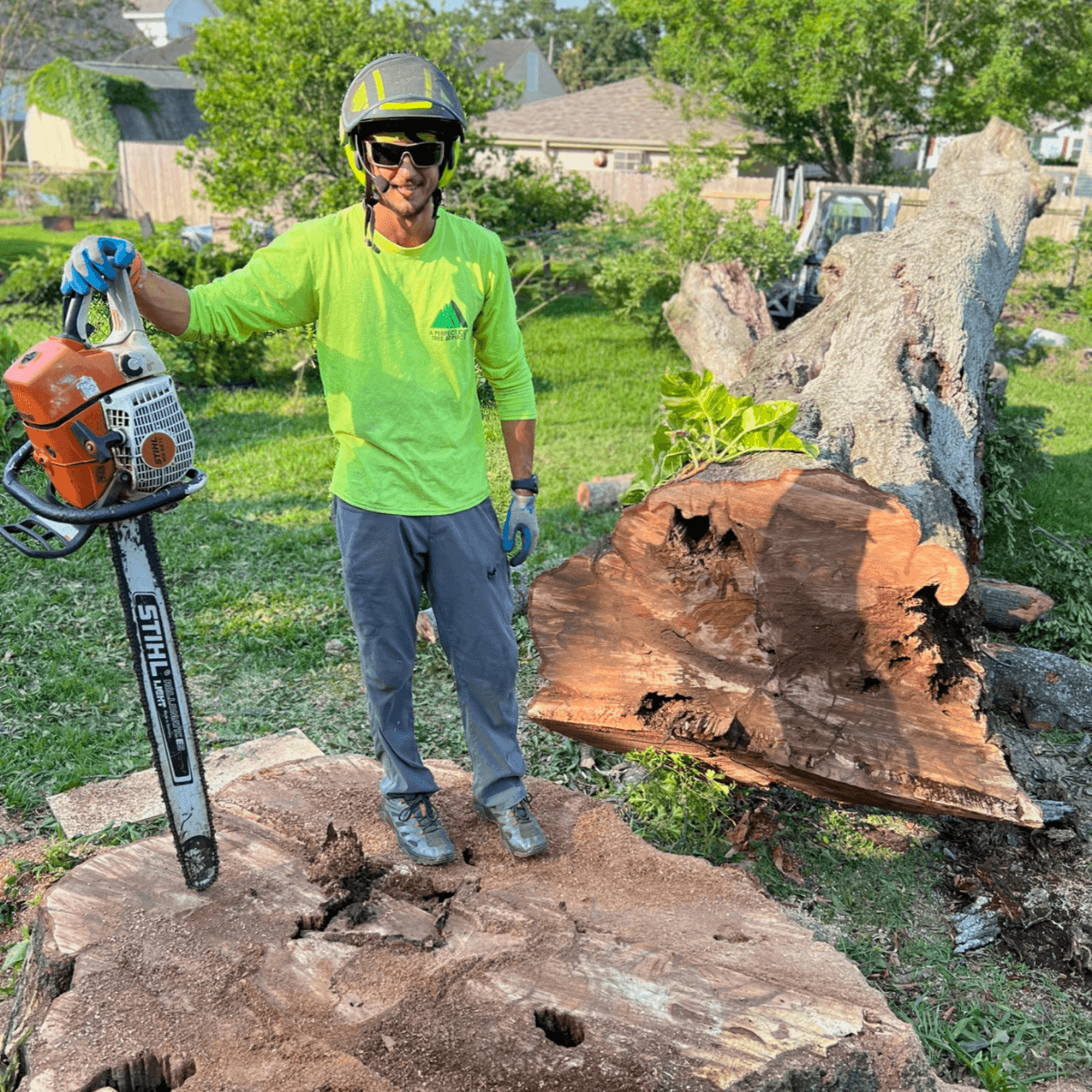
Storm damage changes a tree in minutes, but the decisions that follow can affect your home, your safety, and your insurance claim for weeks. In Metairie, where strong winds, saturated soil, and hurricane-season weather are part of life, a damaged tree is rarely a simple cleanup job. A limb can look stable and still be hanging by torn fibers. A trunk can remain upright while the root plate has already shifted underground. What looks manageable from the driveway can turn dangerous the moment someone starts cutting.
That is why the hours after a storm matter so much. If you are dealing with a split oak, a leaning pine, or a large branch resting on a roofline, the next step is not always a chainsaw. It is usually assessment, documentation, and controlled action in the right order.
Homeowners searching for tree removal Metairie services often do so after a storm, when emotions are high and the pressure to act fast is real. Speed matters, but judgment matters more. The goal is not just to remove what fell. The goal is to prevent a second failure, protect the property, and avoid turning a bad situation into an emergency room visit or a denied claim.
The first priority is safety, not cleanup
After a storm, many people go straight outside and start dragging branches to the curb. That is fine for small debris in an open yard. It is not fine when a tree is twisted, partially uprooted, draped across a fence, or touching anything structural.
One of the most common mistakes I see is assuming the danger is obvious. Sometimes it is. If a large limb is suspended over a driveway, everyone recognizes the risk. More often, the danger is hidden. A cracked trunk may still be supporting its own weight until someone relieves pressure in the wrong place. A branch lodged high in the canopy can stay put for hours, then drop without warning when wind shifts. Trees under tension behave unpredictably, especially after a storm has loaded them with water and altered the soil around the roots.
If any part of the tree is touching a power line, treat it as energized and stay clear. Do not attempt to pull the limb free with rope, a pole saw, or a vehicle. Keep children and pets away from the area, and contact the utility company immediately. If the tree has landed on your home and there is visible structural damage, cracked rafters, a compromised roof deck, or a puncture near electrical service, stay out of the affected area until it has been evaluated.
Even when the tree is not on a structure, access matters. A damaged tree over a sidewalk, driveway, or street can create liability if someone is injured. In those cases, cordon off the area as best you can and bring in a qualified crew quickly.
What to do in the first few hours
The immediate response should be calm and methodical. A rushed cleanup often causes more property damage than the storm itself. Before anyone cuts, drags, or climbs, take these steps:
- Check for urgent hazards such as downed lines, gas odor, broken service equipment, or a tree resting on occupied parts of the home.
- Photograph the tree from several angles, including close-ups of split trunks, exposed roots, roof contact, and any damage to fences, vehicles, or structures.
- Move people, pets, and vehicles out of the danger zone, especially beneath hanging limbs or near a leaning trunk.
- Contact your insurance carrier if the tree struck a covered structure, and ask what documentation they want before removal begins.
- Call a reputable tree service for an on-site assessment rather than relying on a phone quote based on a single photo.
That sequence may sound simple, but it protects you in three ways. First, it reduces the chance of injury. Second, it preserves evidence for an insurance claim. Third, it helps a professional plan the safest removal method, whether that means climbing, rigging, crane work, or partial dismantling from the ground.
Not every storm-damaged tree needs full removal
Homeowners often assume a storm-damaged tree has only two outcomes, save it or remove it. In reality, there is a wide middle ground. Some trees recover well with proper pruning and monitoring. Others look rough but are structurally sound enough to keep. A third group should come down, even if they still have green leaves and appear alive.
The distinction usually comes down to structure, species, and extent of failure. A mature live oak with a single broken scaffold limb may be a candidate for corrective pruning if the trunk and root system are intact. A water oak with a major split at the main union is a different story. A pine that is suddenly leaning after saturated soil and wind exposure may have root failure that is not fixable. Crepe myrtles and smaller ornamentals often survive damage that would be fatal in a larger canopy tree because their growth habit allows better recovery from heavy pruning.
There is also the issue of target area. A tree that might remain standing in a large open lot could be unacceptable near a bedroom, driveway, or neighboring roof. Risk is not just about the tree. It is about what the tree can hit if it fails.
A good assessment looks beyond obvious breakage. The evaluator should consider whether the trunk has a vertical seam, whether the root flare has lifted on one side, whether bark is separating around a major union, and whether the canopy has shifted enough to overload the remaining wood. In Metairie’s wet conditions, root stability after a storm is a major concern, especially in yards with poor drainage or recent soil disturbance.
Signs a storm-damaged tree is likely beyond saving
Some indicators point strongly toward removal, even before a crew begins detailed work. These are the situations that tend to justify urgent action:
- The tree is leaning newly or dramatically, especially if soil is heaved or roots are exposed.
- The trunk is split deeply, hollowed, or cracked through a main structural union.
- More than a modest portion of the canopy has failed, leaving the remaining structure unbalanced.
- Large limbs are broken and hanging over a home, roadway, or occupied area.
- The tree is in contact with utility lines or has compromised the service mast, weatherhead, or meter area.
A homeowner does not need to diagnose every defect. The point is to recognize when the problem has moved beyond routine yard work. Once a tree enters that category, tree removal Metairie professionals with the right equipment become a necessity, not a convenience.
Why storm removals are different from ordinary tree work
Routine removals are often controlled from the start. The crew has clear access, a stable tree, and enough time to dismantle it in sections. Storm work is less forgiving. The tree may already be broken, loaded, twisted, or resting on something that should not move. Every cut changes pressure. Every shift in weight can trigger a sudden release.
That matters because the wrong first cut can drive a trunk deeper into a roof, snap a supported limb sideways into a window, or send a suspended section rolling into a fence. It is one reason experienced crews do so much looking before they do any cutting. They are reading tension, compression, hinge wood, support points, access routes, and rigging options. They are also deciding what not to touch until another section is secured.
I have seen storm jobs where the actual cutting took less time than the setup. That is usually a good sign. It means the crew respected the physics of the tree. Quick work is not the same as rushed work. In dangerous removals, preparation is the job.
Insurance, documentation, and cost questions
Once a tree hits a house, garage, fence, or vehicle, money and paperwork enter the picture. Insurance policies vary, so it is worth speaking with your carrier early. In many cases, if a storm-damaged tree falls on a covered structure, the removal cost tied to accessing and repairing that structure may be covered, at least in part. Cleanup of debris that falls harmlessly in the yard is often treated differently.
Take photos before emergency work starts, if it is safe to do so. Get wide shots that show the whole scene and close shots that capture impact points. If interior water intrusion has started because of roof damage, photograph that too. Save receipts, written estimates, and any communication from the tree company describing what was done and why it was necessary.
Cost varies widely because storm removals are not priced by trunk diameter alone. A small tree on a shed may cost more than a larger tree in an open yard if the removal requires hand rigging, roof protection, or tight access. Factors that commonly affect price include the tree’s size, its position, proximity to structures, need for a crane, degree of storm damage, site access, and whether stump grinding or haul-off is included. If the job is urgent and the area is dealing with a major storm event, regional demand can also affect scheduling and rates.
Be cautious with anyone knocking door to door right after severe weather. Some legitimate companies canvass neighborhoods, but storm-chaser operations are common after large events. They may offer to start immediately, ask for large cash deposits, or avoid written paperwork. A professional service should be able to explain scope, timeline, equipment, and cleanup expectations clearly.
Choosing the right tree service in Metairie
Storm response is not the time to gamble on the cheapest estimate if the tree is on a house or hanging over one. You want a company that handles hazardous removals regularly, not just basic trimming. The difference shows up in their questions. A competent estimator will ask about utility involvement, roof contact, access width, gate size, fencing, drainage conditions, and whether the tree has shifted since the storm.
It also shows up in their caution. If someone glances at a storm-damaged tree and says, “No problem, we’ll just drop it,” that should raise concern. Controlled dismantling is often the safer route in a suburban setting like Metairie, where homes sit close together and mature trees share space with power lines, driveways, and neighboring properties.
Ask whether the company is licensed where applicable, fully insured, and equipped for technical removals. Insurance matters more than most homeowners realize. If a worker is hurt or a roof is damaged further during removal, inadequate coverage can become your problem fast. A reputable company should not hesitate to provide proof of liability and workers’ compensation coverage.
Local experience helps too. Metairie’s storm patterns, lot sizes, and tree mix create specific challenges. Shallow root systems, saturated clay-heavy soils in some areas, and heavy broad canopies can all complicate post-storm stability. A crew familiar with these conditions is usually better at spotting hidden failure and planning around confined residential spaces.
What happens during a professional storm-damage assessment
A proper assessment is part hazard review, part removal planning, and part triage. The arborist or crew lead should examine the root zone, the trunk, the canopy, the lean, and everything the tree could strike if it moves. They may probe around the root flare, look for fresh soil cracking, inspect bark seams, and identify limbs that are hung up under tension.
They will also evaluate access. Can equipment get into the backyard without destroying the lawn or fence? Is the ground too saturated for a bucket truck? Does the roofline require protection before any wood is lowered? Is there enough space for rigging or crane setup? Homeowners often focus on the tree itself, but logistics drive safety on these jobs.
Then comes the decision: preserve, prune, or remove. Sometimes the recommendation is immediate removal. Sometimes it is temporary hazard reduction, such as taking off failed sections now and reassessing the rest once the weather clears. In some cases, especially with high-value specimen trees, cabling or restorative pruning may be worth discussing. But that only makes sense if the remaining structure is sound and the risk can be reduced to an acceptable level.
The temptation to do it yourself
It is easy to understand why homeowners consider a DIY approach after a storm. Tree companies get busy fast, costs can be significant, and the damage is sitting right there in the yard. For small brush and ground-level limbs, self-cleanup can be practical. Once a chainsaw enters the picture near a damaged standing tree, the margin for error drops hard.
Storm wood is not like clean firewood on a saw horse. It binds, springs, and rolls. A limb that appears supported can snap backward when cut. A partially uprooted tree can settle without warning. Extension ladders on wet ground near broken branches are another frequent setup for injury. Even experienced property owners underestimate how quickly a routine cut turns technical when a tree is broken and loaded.
There is also the issue of hidden utility risk. Power can travel through limbs, fencing, wet surfaces, and contact points in ways that are not obvious from the ground. If there is any chance the tree involves electrical infrastructure, the safest homeowner action is to stay back and make calls, not cuts.
After removal, the job is not always finished
Once the tree is down and the immediate hazard is gone, there are still decisions to make. Stump handling is one of them. If the tree failed because of root instability, stump grinding may reveal conditions worth understanding before replanting, such as decay, poor rooting depth, or chronic saturation. If the area is close to a foundation, utilities, or hardscape, timing and method matter.
The surrounding landscape often needs attention too. Storm removals can compact wet soil, tear turf, and expose roots of neighboring plants. In some yards, the fallen tree may have been supporting vines or adjacent limbs that now shift into new positions. It is wise to walk the property again after cleanup and look for secondary issues, especially in fence lines and shared canopy areas.
Replanting should not be rushed. Homeowners tree removal metairie often want to replace a lost tree right away, which is understandable. But the better move is to pause, consider species, canopy size, wind tolerance, drainage, and placement relative to the home. A tree that thrives in Metairie and holds up reasonably well in storms is an asset. A fast-growing weak-wooded species planted too close to the house is a future removal bill.
Reducing the odds of the next emergency
Most storm damage cannot be prevented entirely, but a surprising amount can be reduced through regular maintenance. Trees fail less dramatically when deadwood is removed, codominant stems are addressed early, and weight is managed before a storm season tests every weak point in the canopy.
That does not mean topping trees or cutting them into unnatural shapes. In fact, harsh pruning often creates the very weak growth that fails later. The goal is structural pruning, selective thinning where appropriate, clearance from roofs and service lines, and periodic inspection of mature trees with known defects. A tree with included bark at a major union, old storm wounds, or visible decay may need monitoring long before the next tropical system forms in the Gulf.
In residential neighborhoods, prevention is also about spacing and expectations. Large shade trees need room. If they are crowded between a house, a driveway, and overhead utilities, their risk profile rises over time. Sometimes the smartest long-term decision is removing a declining tree before it becomes a storm headline in your yard.
When fast action is justified
There are times when waiting for a second opinion is useful, and there are times when it is not. If a tree is on the house, threatening entry points, blocking emergency access, or showing active movement after a storm, same-day professional response is appropriate. Delays can increase water damage, raise liability, and create more dangerous conditions as the tree shifts.
At the same time, fast action should still be documented action. Get photos. Get names. Get a written scope if possible. Ask whether the immediate work is full removal or emergency stabilization. In larger storm events, some companies first make the site safe, then return for complete debris processing and stump work once access improves and claims are underway. That is normal, and often the safest approach.
The practical bottom line for homeowners
Storm-damaged trees create urgency, but the best next step is rarely impulsive. Start by securing the area and documenting what you see. Assume that a hanging limb, a split trunk, or a newly leaning tree is more dangerous than it looks. If the tree involves a structure, utility line, or public access area, bring in qualified help without delay.
For homeowners dealing with tree removal Metairie situations after severe weather, the smartest approach is a professional assessment grounded in safety, not guesswork. Some trees can be saved. Many cannot. The value of expert help is not just in getting the tree on the ground. It is in getting it down without hurting people, damaging the property further, or missing the signs that another failure is still waiting overhead.
A storm gives you enough problems already. The next step should solve them, not add one more.
A Perfect Cut Tree Service
4725 Shores Dr, Metairie, LA 70006
+1 504-732-0779
FAQ About tree removal metairie
What is the average cost of tree removal in my area?
There is no single price that fits every tree. Size, condition, access, nearby structures, equipment, debris hauling and stump work affect the estimate. Request a written, site-specific quote that identifies what is included.
Who will remove trees for free?
Free removal is not generally available for ordinary private-property tree work. Utilities or public agencies may handle trees within their responsibilities. Confirm eligibility directly and do not assume that an offer or assistance program covers your tree.
Can I just cut down a tree in my yard?
Check ownership, location and local requirements first. Jefferson Parish requires a permit for removal of qualifying vegetation in the public right-of-way, and additional protections may apply in designated areas. Ask the parish about your property and have a qualified tree professional assess the work.